About
An old country chapel brought back to life as a garden, a quiet room, and a gathering place.
Forest Sanctuary exists to restore a small piece of a neighborhood to itself — the building, the garden, and the everyday skills of taking care of one another. We believe nourishment is nourishing, and good is good: that food is for sharing, that quiet is a kindness, and that a community grows strongest when it tends its own ground.
Who’s behind it
We are BJ and Val, with our neighbors and our caretaker, Ben. The full story of who we are and how we came to this work lives on its own page.
Meet the people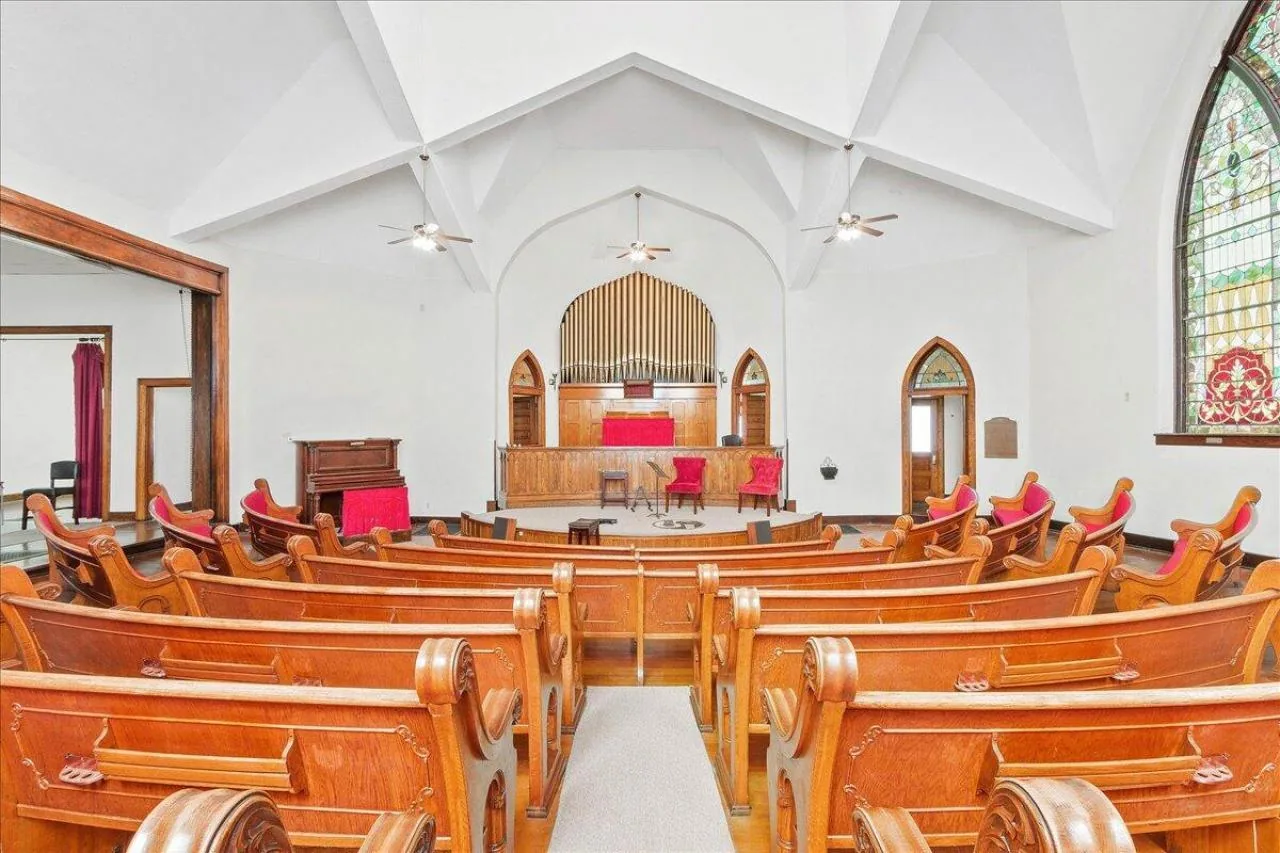
The story of the place
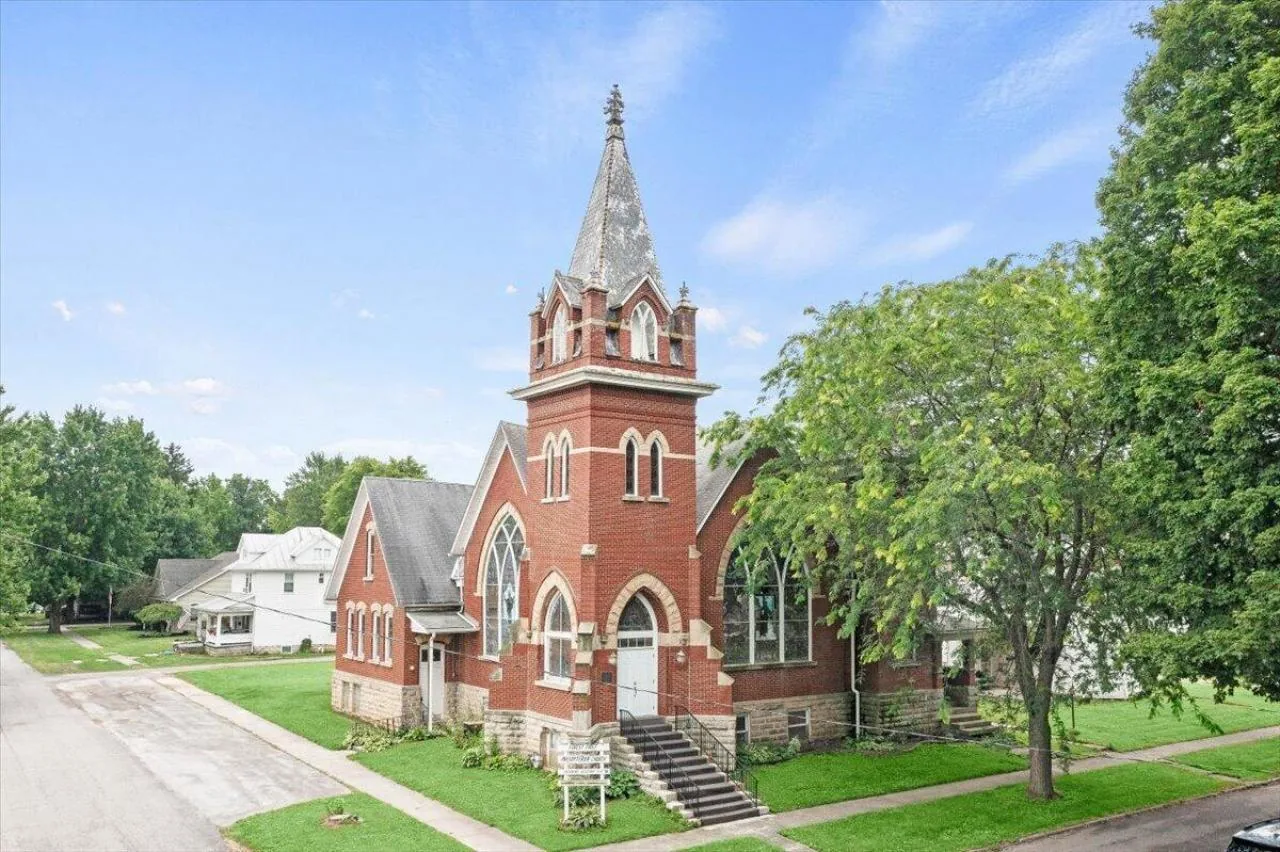
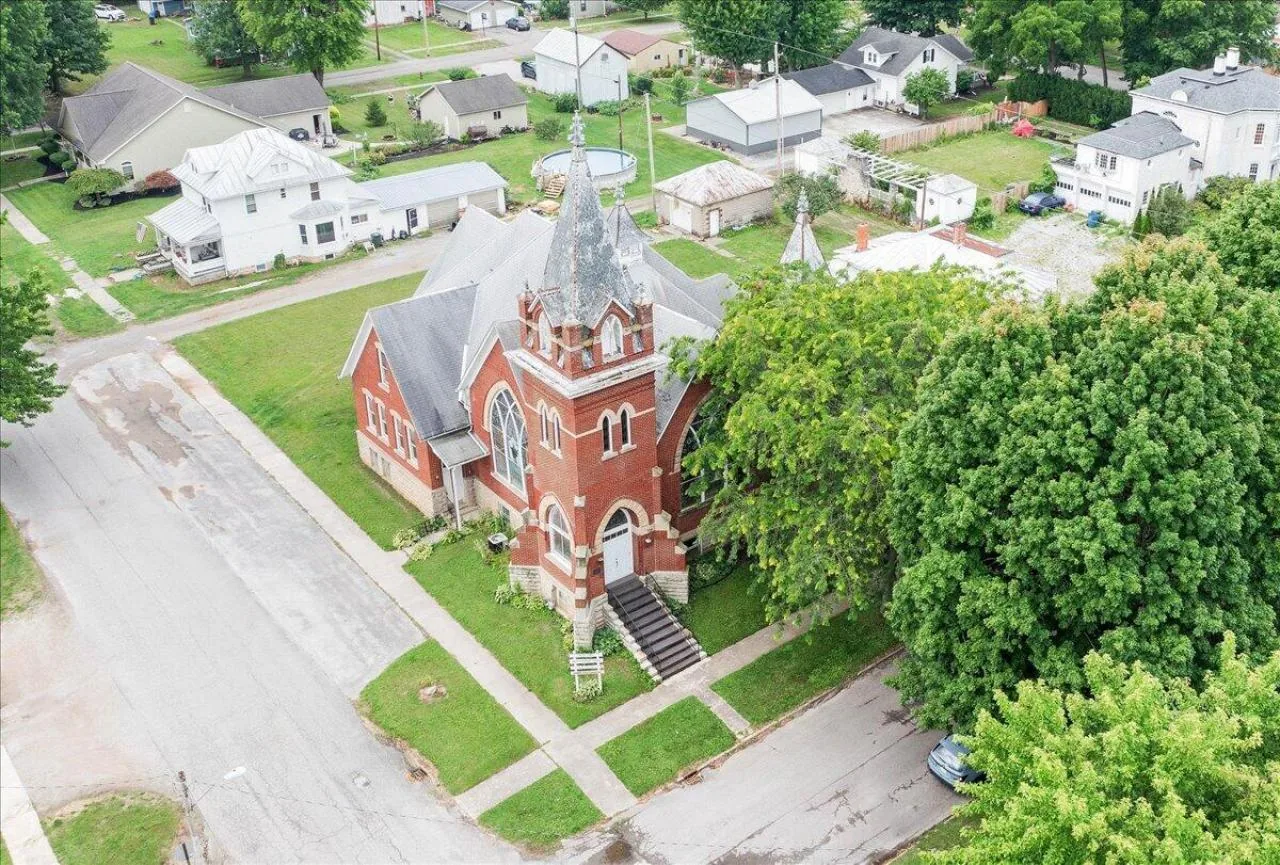
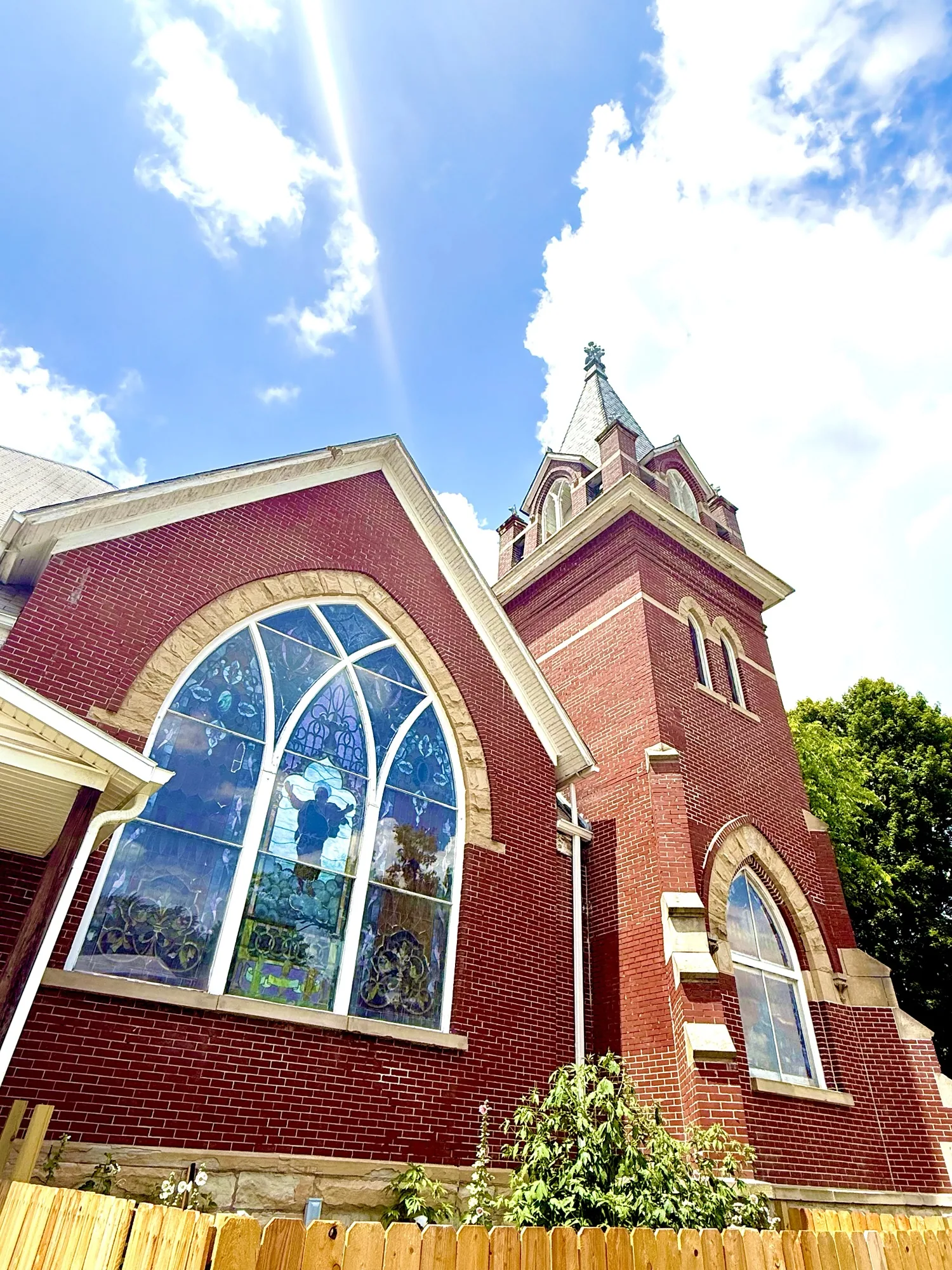
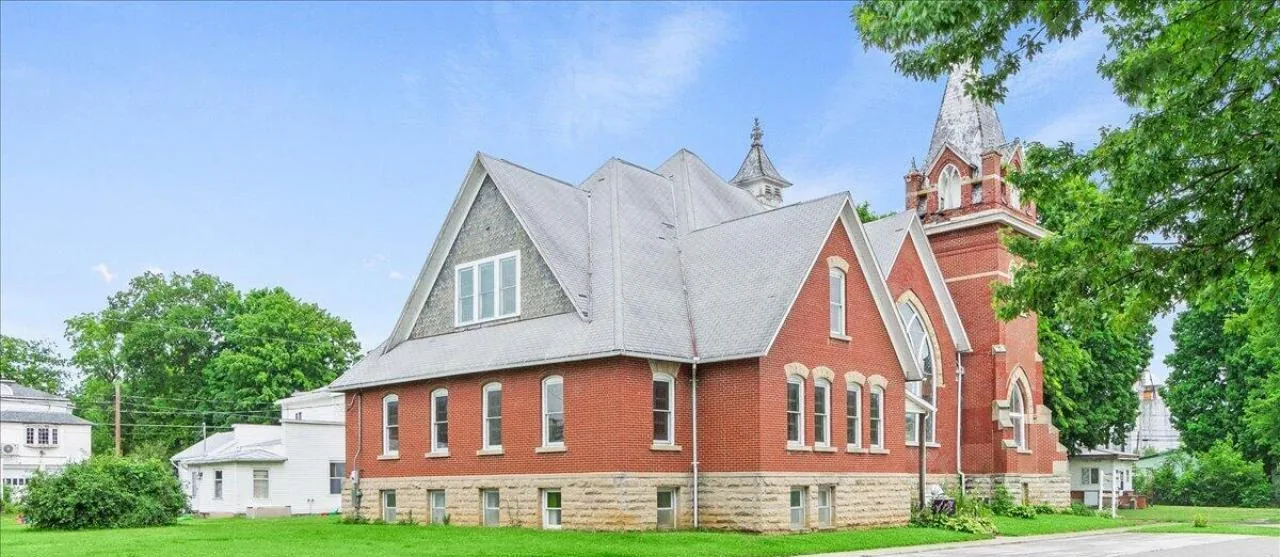
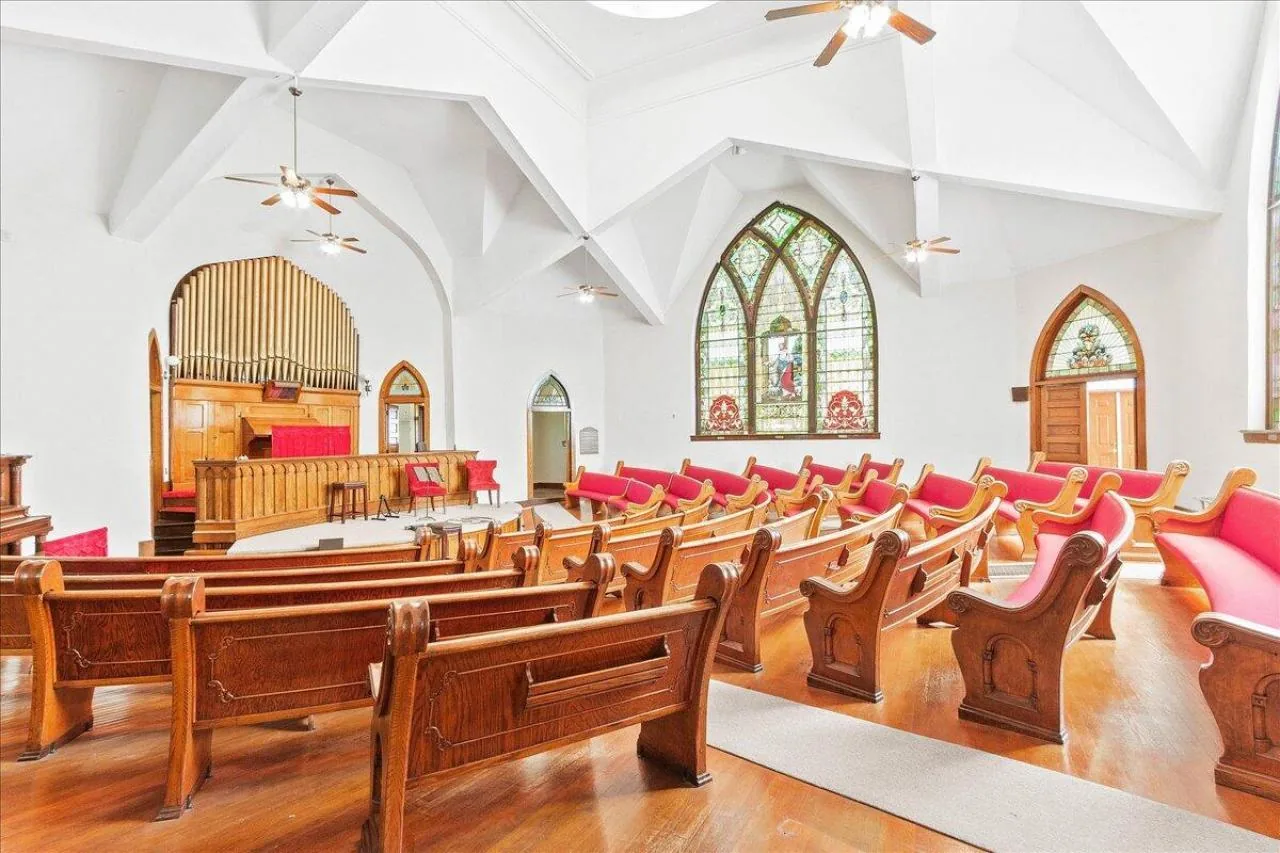
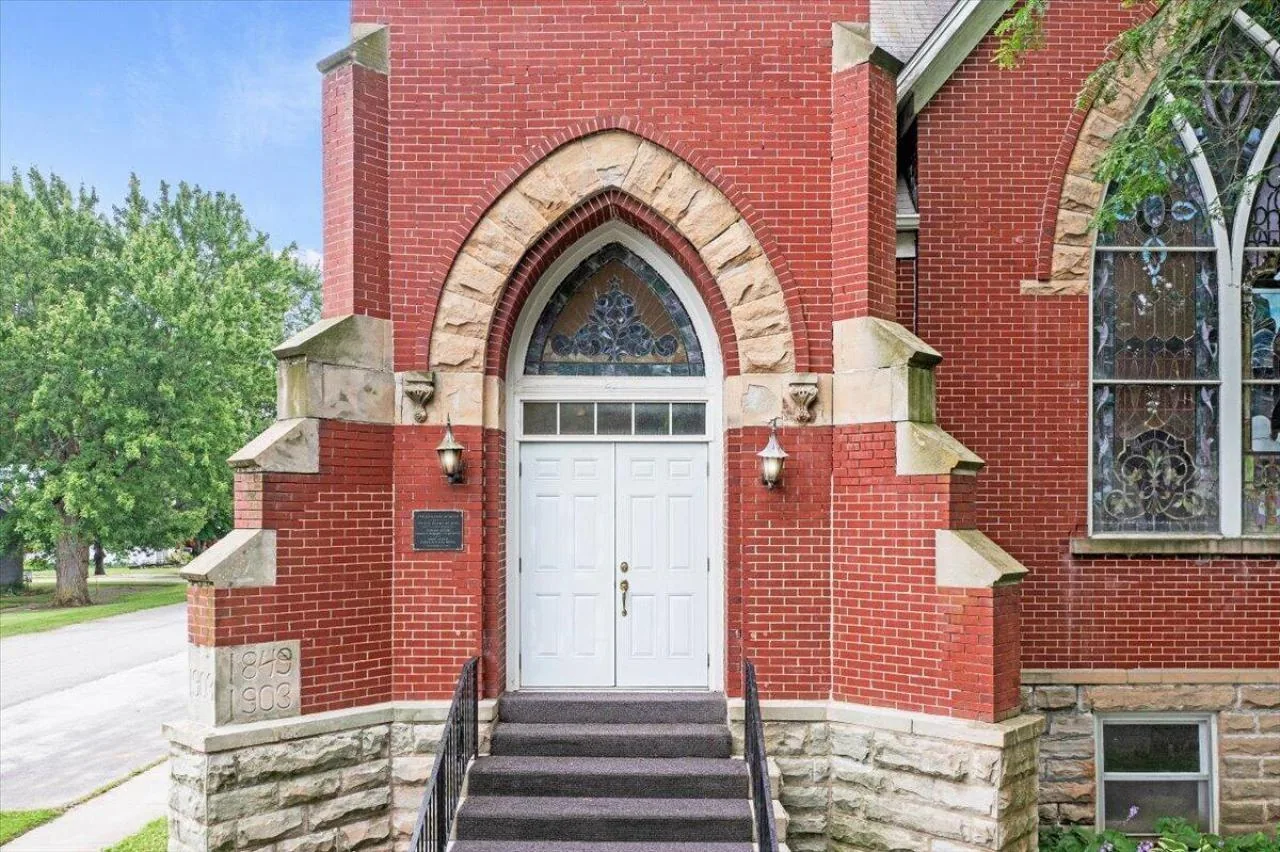
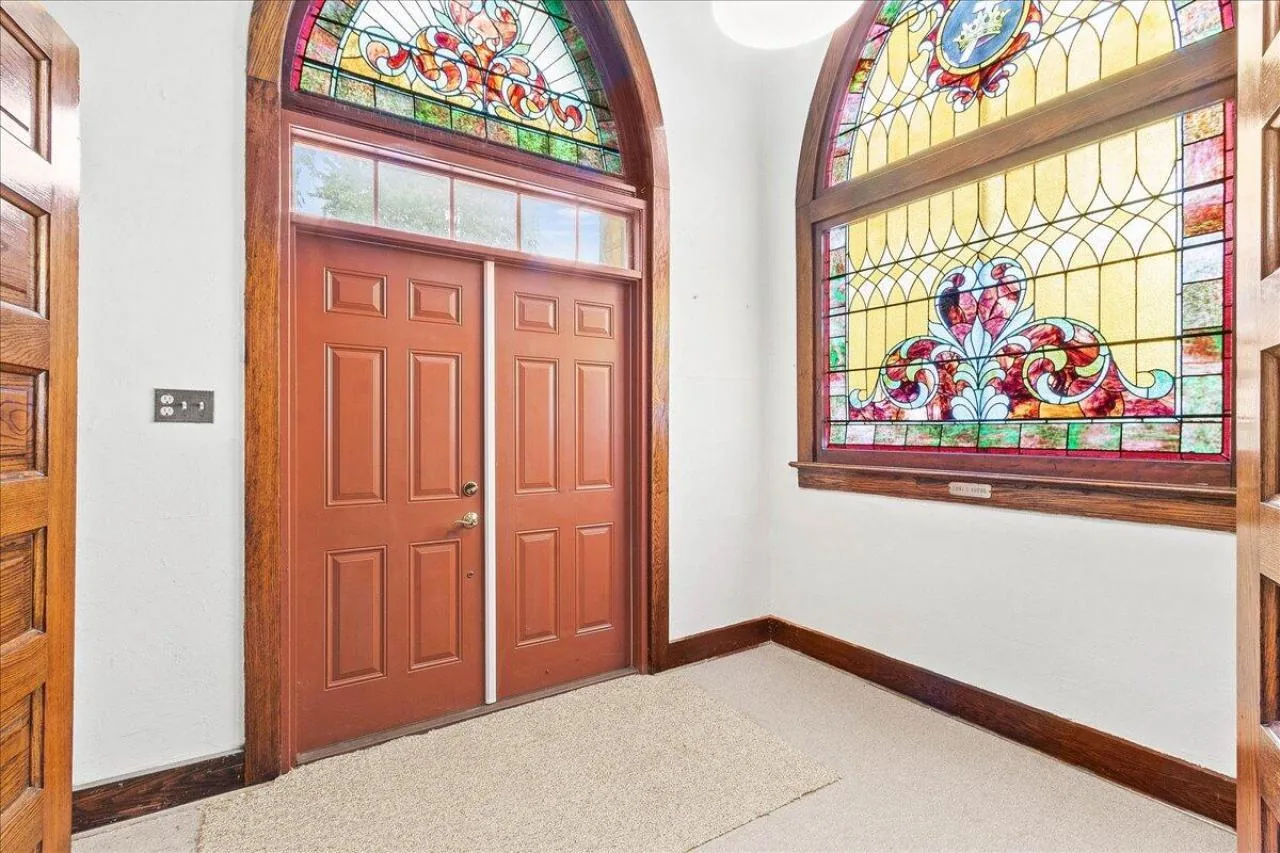
Forest Sanctuary was a country church for more than a century — built and dedicated across 1849 and 1906, with stained-glass murals and a pipe organ that still plays. It sat empty before we bought it in 2024.
The building sits at 211 East Dixon Street, in the little village of Forest, Ohio. For generations it was home to the First Presbyterian congregation — the Forest Presbyterian Church — a country church that gathered this neighborhood for worship, weddings, and fellowship for well over a century. Its stained-glass murals and its pipe organ were built to last, and they still do.
Forest itself was platted in 1855, when the railroad was extended across this stretch of western Ohio prairie, and a post office had opened the year before. The village took its name from the grove of trees standing at the original town site — an island of forest in a great sea of tall-grass prairie — and it was incorporated in 1865. Today it sits in Hardin and Wyandot counties, home to about 1,350 people, and the church grew up alongside the young railroad town as one of its anchor institutions.
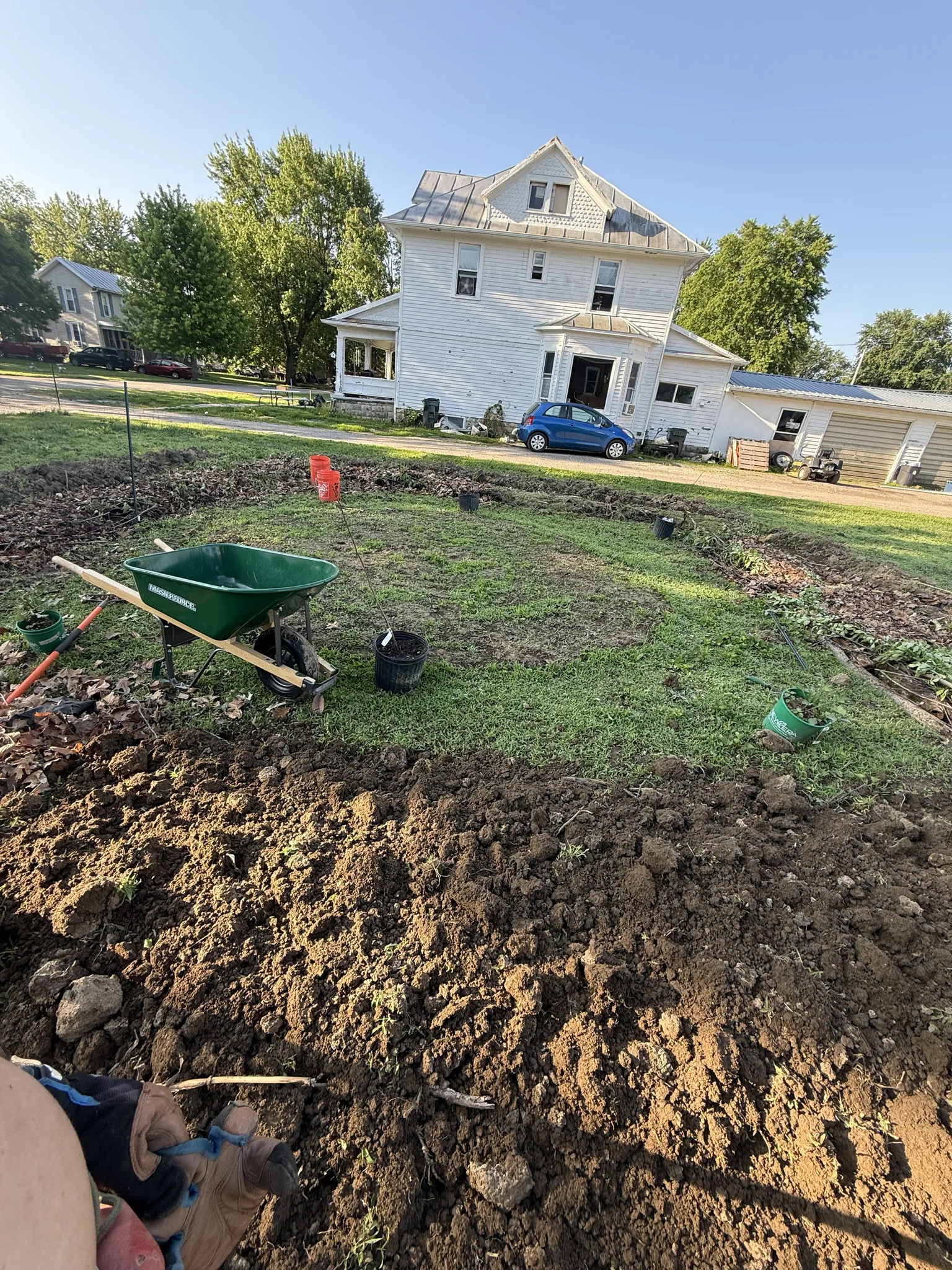
Since we bought it, the work has gone season by season: drying the basement, lining up the roof and brickwork, breaking ground on the garden, opening the library and a quiet room, and starting the evening sittings. Nothing grand — just steady hands bringing an old building back to life so it can hold the neighborhood again.
What we’re for
Community restoration
An old building and an old idea — that a neighborhood can take care of itself — brought back to life, season by season, by the people who live around it.
Neighborly nourishment
Food grown to be given away, not sold. The garden is tended by volunteers and the harvest is shared with whoever comes to pick.
The domestic arts
The homemaking skills our great-grandparents took for granted — cooking, gardening, putting food by, mending, making — practiced out loud and passed hand to hand.
Quiet
A room and a cadence for stillness. Evening quiet at seven, and a door that opens to anyone who needs to sit for a while.
“Start where you are, with what you have. You don’t need much to begin, just a willingness to show up.”
Come lend a handCommon questions
What is Forest Sanctuary?
An old country chapel — built and dedicated across 1849 and 1906, with stained-glass murals and a pipe organ that still plays — brought back to life as a garden, a quiet room, and a gathering place.
Who runs it?
Brandon and Val, with our neighbors and our caretaker, Ben. We work from the sanctuary year-round and share it with the community as the seasons allow.
Is the food really free?
Yes. Volunteers and staff tend the garden, and the harvest is shared. You do not have to work to pick. It is about access to good food and bringing people together.
Do I have to be religious to come?
No. The chapel is a quiet room for everyone. We keep the building’s history and its peace, but the door opens to all.
Can I just come to sit?
Yes. Evening quiet is held at seven, and the quiet room is open whenever the building is. Come as you are.
How do I get involved?
Saturday garden mornings from 11 to 1, April through October, plus workdays, sing-ins, and shared meals. See Participate for what is on this season.
The village of Forest, and Gormley Park
Forest was platted in 1855, when the railroad was extended across this part of western Ohio, and a post office had opened the year before. The village was named for the grove of trees at the original town site — a patch of forest in a great sea of tall-grass prairie — and incorporated in 1865. Today it straddles Hardin and Wyandot counties and is home to about 1,350 people. On April 8, 2024, Forest sat squarely in the path of totality for the Great American Eclipse — nearly four minutes of darkness, one of the longest durations of totality anywhere.
On the east side of the village, along Mary Street, sits Gormley Park — one of the quiet treasures of this small community. Grand trees canopy the grounds, and a beautiful stocked pond with a little island and a gazebo sits at its heart. There are playgrounds, ball fields, tennis and basketball and sand-volleyball courts, and three pavilions where families gather for reunions and birthdays.
Each July the park hosts the Jackson–Forest Fire Department’s annual Tree Town Festival, and through the warmer months a monthly storybook trail walks families through a new children’s story beneath the big trees. It is the kind of park a small town is lucky to have — and one more reason we are proud to call Forest home.

