Permaculture
Permaculture basics for beginners — design a low-effort backyard or balcony food garden that nourishes you and the land.
What permaculture is
Permaculture is a set of design basics for growing food — on a backyard, a balcony, or a little patch of borrowed land — so the garden mostly takes care of itself. It's a way of designing gardens, farms, and whole homesteads so that they take care of themselves — and take care of the people and the land at the same time. It was named in the 1970s by Bill Mollison and David Holmgren, but its roots are far older: in indigenous land practice, in peasant husbandry, in the way a forest feeds itself without anyone tilling it.
The word is a contraction of "permanent" and "agriculture" — and, as its founders liked to add, "permanent culture," because the way we grow food shapes the way we live together.
Featured video
A tiny garden that feeds two people all year
Huw Richards shows how a 1/32-acre plot produced over 1,500 lb of food in its first year — a real, encouraging picture of how permaculture basics let a little land (or even a balcony) nourish you.
How This 1/32 Acre Garden Feeds 2 People ALL YEAR!
By Huw Richards on YouTube
The three ethics
Everything in permaculture hangs on three simple ethics:
- Earth care. Look after the soil, the water, the forest, and the wild ones. A healthy ground grows a healthy harvest.
- People care. Look after each other. A garden that feeds only the gardener misses the point.
- Fair share. Set limits, share the harvest, and return what's left to the soil and the commons.
A few of the principles
- Observe and interact. The answer is usually already on the land.
- Catch and store energy. Water, sun, fertility — gather them when they're plentiful.
- Obtain a yield. A garden should feed you, not just look noble.
- Apply self-regulation. When something stops working, change it — accept feedback.
- Use and value the edges. The margin, where two things meet, is the most productive place of all.
- Integrate rather than segregate. Stack the plants, the chickens, the people, the water into one working system.
- Use small, slow solutions. A little, well-placed, beats a lot of hurry.
In the StarGarden
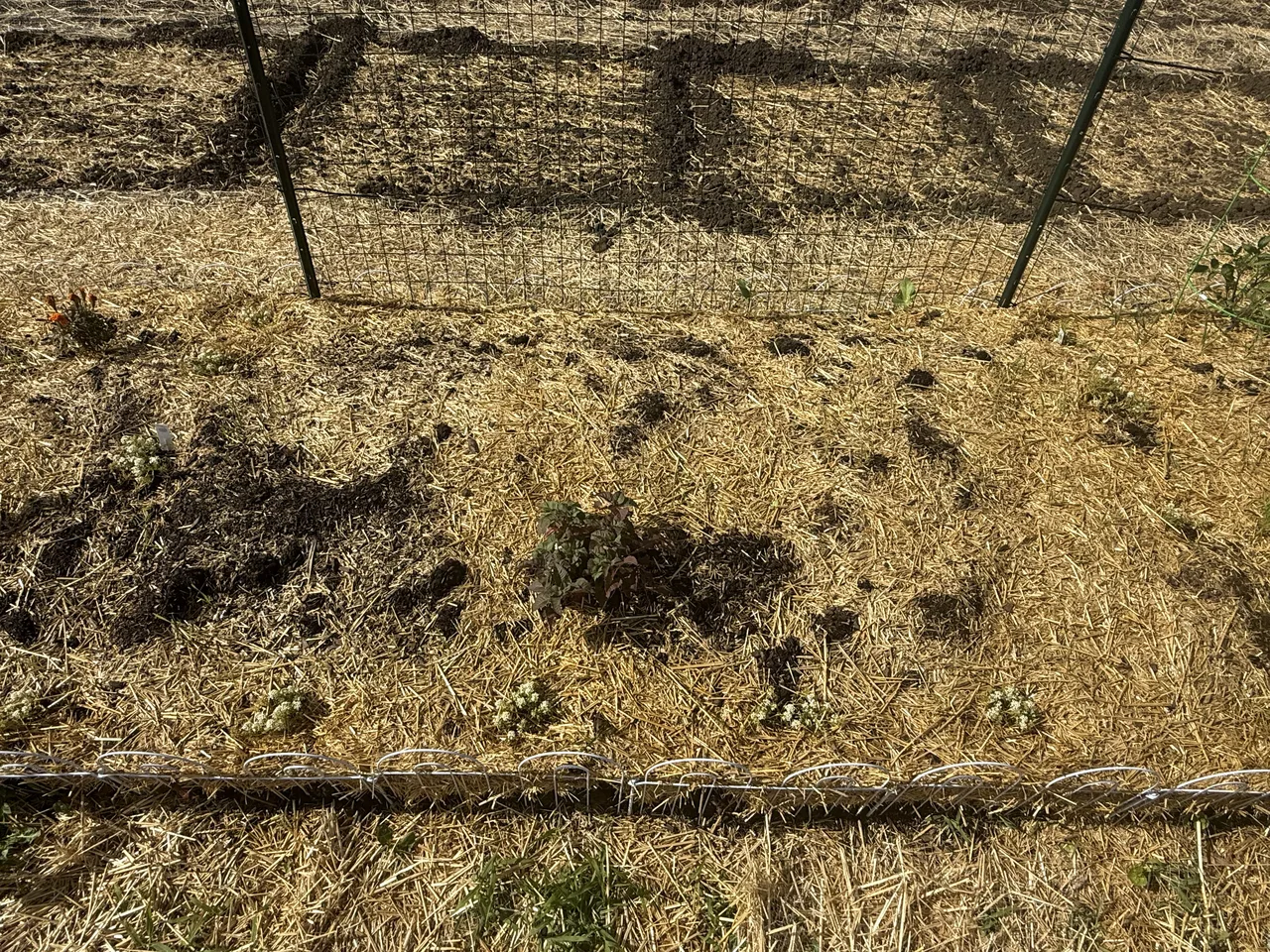
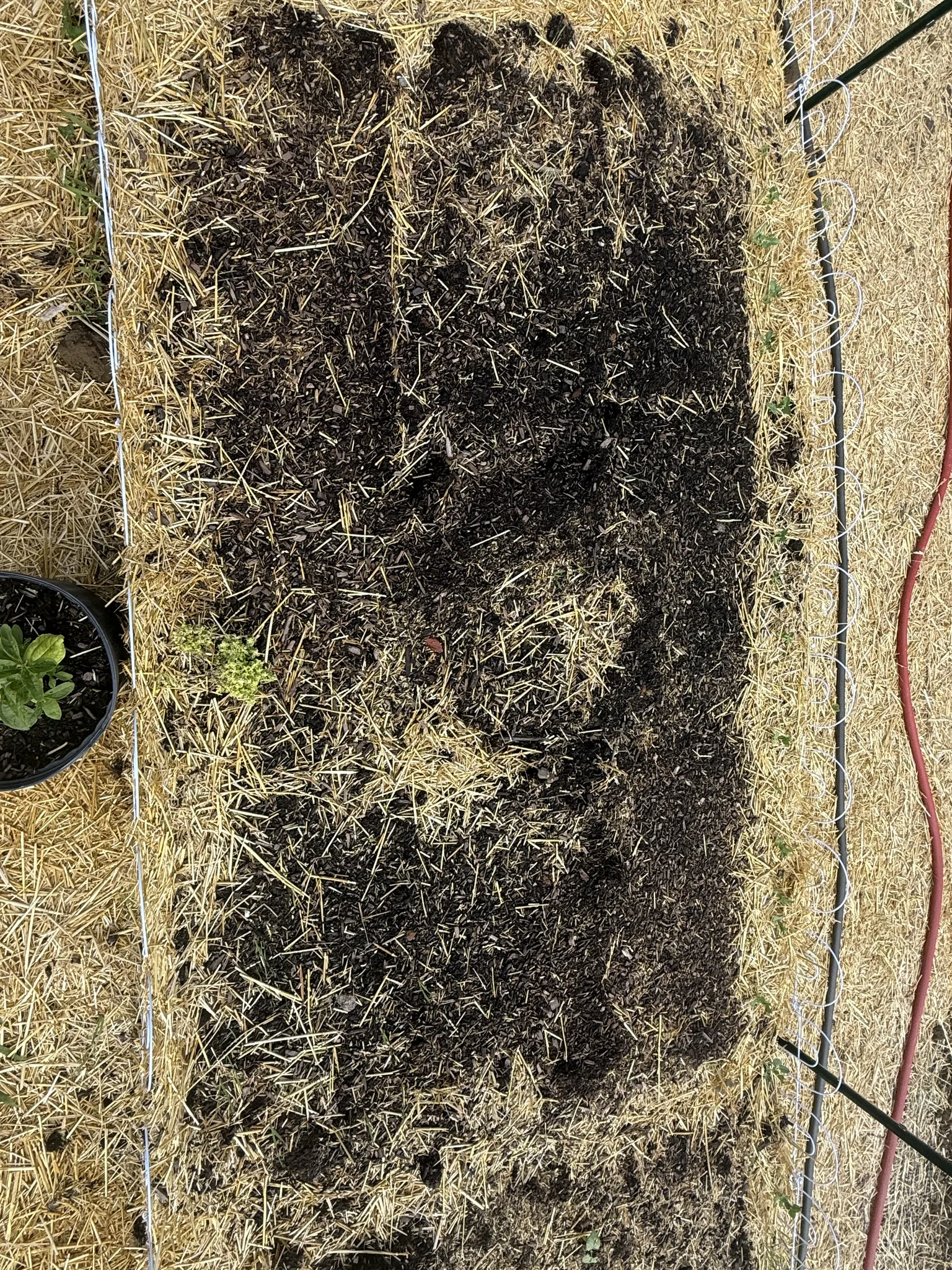
We lay the StarGarden's twelve square beds clockwise after the southern Indian jyotish chart, and we run them on permaculture principles: companion plants stacked by element and season, water caught and slowed, compost made on site, surplus given away. The garden feeds the neighbors who tend it, and the chart gives every bed a meaning beyond food.
Under the beds we build hugel mounds, so the system holds water and fertility underground while the chart turns above. Design below, meaning above — the whole thing one organism.
Learn more with Huw Richards
Huw has been teaching free, encouraging kitchen-garden lessons on YouTube for years — warm, practical, and welcoming to beginners. His channel is one of the best places on the internet to learn how to grow your own food, whether you have a balcony or a whole field.
Visit Huw's YouTube channelFeatured book
How to Grow Food
A crop-by-crop guide to growing, cooking & preserving your own food
Huw's book How to Grow Food — written with chef Sam Cooper — is a friendly, no-nonsense crop-by-crop guide from the first seed to the kitchen table, made for everyday people who want to nourish themselves from a little piece of ground.
Find How to Grow Food on AmazonPermaculture and hugelkultur, together
At Forest Sanctuary we combine permaculture with hugelkultur — the system runs above ground, the mound feeds it below — and we lay both inside the StarGarden, where every bed carries a sign, a house, and a teaching.
We're leading with food sovereignty and joy — nourishing ourselves and our communities through the timeless, cyclical, and seasonal participation of growing food together, in the spirit of the old Shaker hymn: "To turn, turn, will be our delight, 'til by turning, turning we come round right."
Watch the twelve permaculture principles, explained
Still curious? Huw Richards walks through all twelve permaculture principles in a kitchen garden — the clearest free introduction we know.
Self-Sufficiency Made Easier Using These 12 Permaculture Principles
By Huw Richards on YouTube