Hugelkultur
Hugelkultur basics — build a low-effort, low-water raised bed from buried logs and grow a food forest that gets easier every year.
What hugelkultur is
Hugelkultur (say "hoo-gul-culture") is a low-effort, low-water raised bed you can build from logs and prunings — a slow, living food forest that gets more productive and easier as the years go by. It's an old European way of building a garden bed by mounding soil over buried wood. You lay down logs and branches, cover them with leaves, compost, and topsoil, and plant into the mound. The wood rots slowly underneath, holding water like a sponge and feeding the soil for years.
It is a way of turning waste — prunings, fallen limbs, brush nobody wants — into the most fertile, self-watering ground in the garden. Nothing is hauled away; everything rots into the next harvest.
How a hugel bed is built
The order matters less than you'd think, but the layers matter a great deal.
- Logs at the base. The biggest woody material goes on the bottom — hardwood lasts longest. Leave no gaps you can't fill.
- Branches and twigs next. Fill in with smaller woody stuff, packed to cut down on air pockets.
- Leaves, straw, and compost. A layer of nitrogen-rich green and a layer of decay — the microbe food. Water each layer as you go.
- Topsoil and compost on top. A few inches of finished soil to plant into. Mound it — it will settle and sink by half the first year.
- Plant and mulch. Sow right into the top. A mulch of leaves or straw keeps the moisture in while the wood wakes up.
Cross-section of a hugel bed — built from the ground up
- 5
Plant & mulch
Sow right into the top; a mulch of leaves or straw keeps the moisture in while the wood wakes up.
- 4
Topsoil & compost
A few inches of finished soil to plant into — mound it; it will settle and sink by half the first year.
- 3
Leaves, straw & compost
Nitrogen-rich green and a layer of decay — the microbe food. Water each layer as you go.
- 2
Branches & twigs
Fill in with smaller woody stuff, packed to cut down on air pockets.
- 1
Logs at the base
The biggest woody material goes on the bottom — hardwood lasts longest. Leave no gaps you can’t fill.
See it built — three short, encouraging videos
One simple idea, three good teachers. Pick the build that fits your land — a trench, a no-dig pile, or a raised frame.
Hugelkultur: The Best Raised Bed Technique You've Never Heard Of
By Epic Gardening on YouTube
5 Ways to Build a Hügelkultur Garden Bed
By Some Room to Grow on YouTube
How to Create a Hügelkultur Raised Garden
By Turn Your Head and Scoff on YouTube
Why it works
As the buried wood breaks down, it soaks up water in the wet months and releases it slowly through the dry ones. A mature hugel bed can go weeks without watering in a drought. The rotting wood also feeds fungi and microbes, which build the soil's structure and hold nutrients against leaching.
You're composting underground, in slow motion — sequestering carbon in the ground instead of burning it or hauling it to the curb, and making a bed that gets better for a decade instead of wearing out in a season.
Year by year — production up, effort down
The quiet promise of a hugel bed is that it gets easier as you get older. You do a little more work in the first year so that, every year after, the bed does more of the watering, feeding, and weeding for you. This is basic goodness, stored in the ground — a garden that nourishes you more and asks less of you as the seasons turn.
- Year 1 — build and water. Pile the logs, layer the leaves and compost, plant the top. Water through the first summer while the wood wakes up. A light harvest, and the mound settles by half.
- Year 2 — the wood wakes up. Already less watering. Roots reach the damp, rotting wood; yields climb. The bed begins to feed itself.
- Year 3 — self-watering. The mound holds water through dry spells. Steady harvests, fewer weeds, almost no feeding — the soil life does it.
- Years 5–10 — a food forest in miniature. Deep-rooted perennials thrive, annuals find water on their own, and you mostly gather. The bed is most generous just when your knees would rather you do less.
- As the years pass. The bed does more, you do less — and what you planted in hope becomes a steady, free, self-renewing source of nourishment for body, spirit, and neighborhood.
In the StarGarden
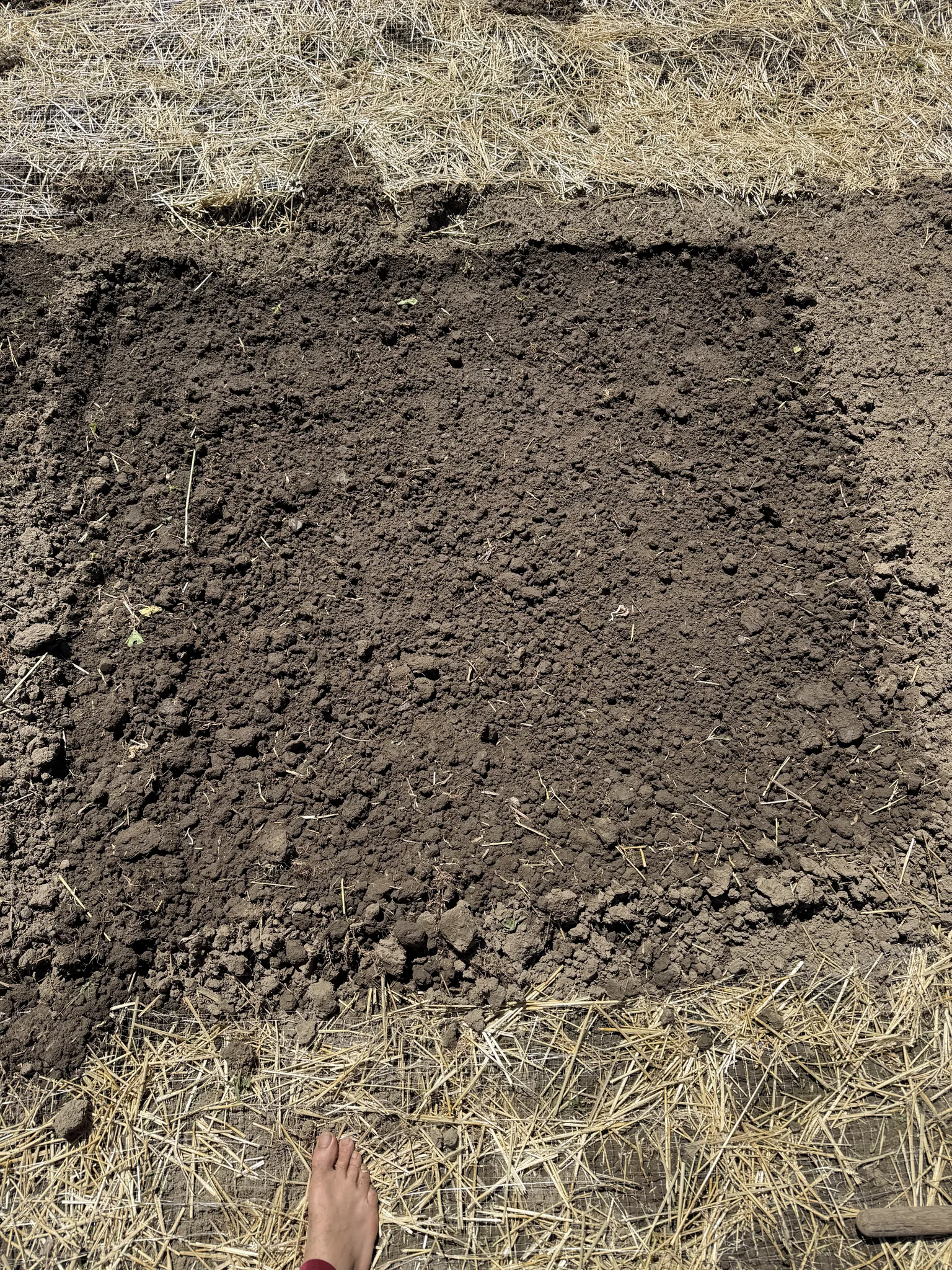
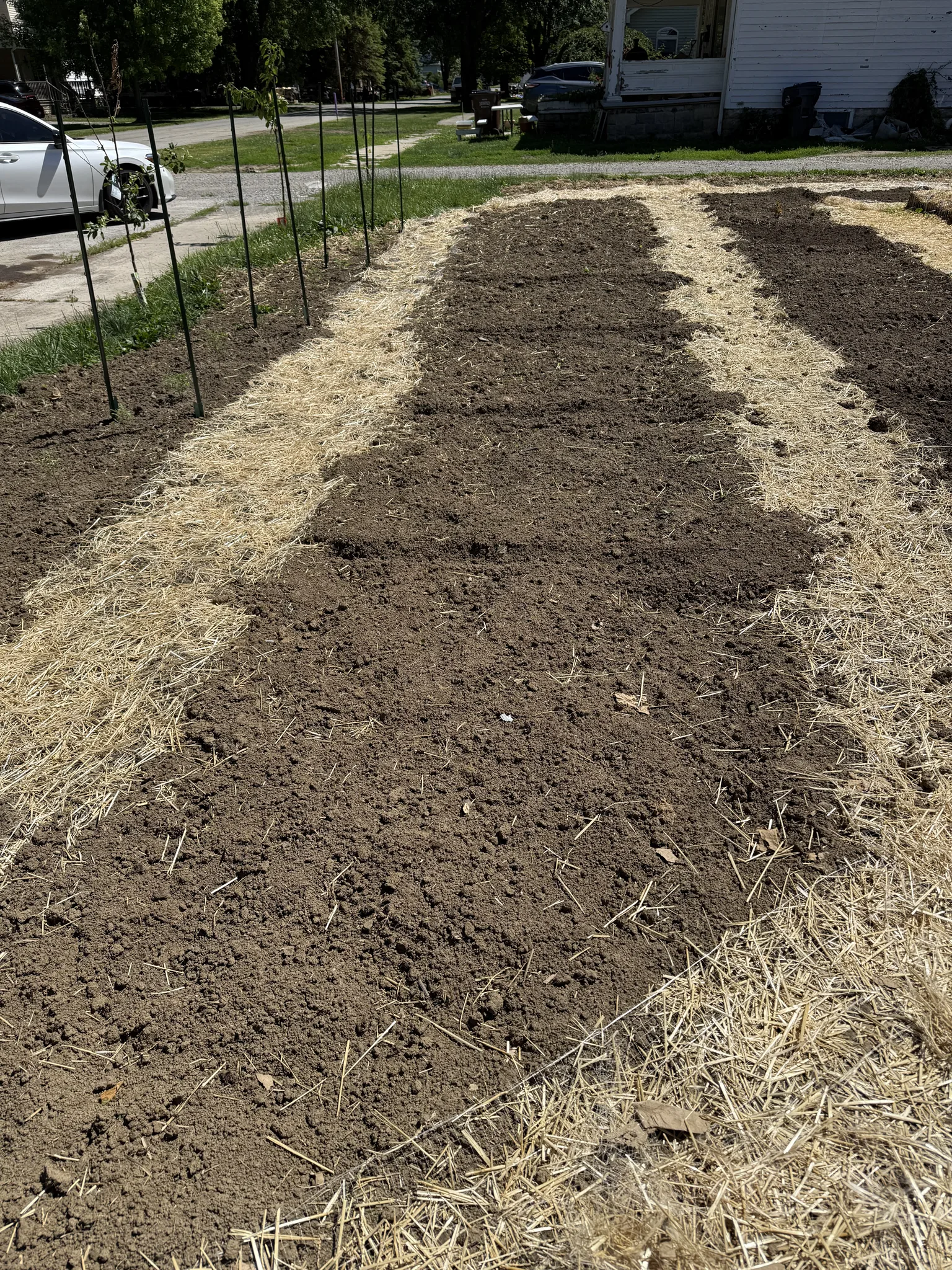
We build hugel beds beneath the square beds of the StarGarden, so each archetype in the chart is rooted in a mound that feeds itself. The deep-rooted perennials love it; the annuals find water when the sky forgets to rain. It's the quiet engine under the whole garden.
It also fits the turning of the year: build the beds in fall when the prunings come, let them sleep under snow, and plant into them at the first thaw. To turn, turn — and let the garden turn with you.
Hugelkultur and permaculture, together
At Forest Sanctuary we combine hugelkultur with permaculture — the mound feeds the system, and the system feeds the neighborhood — and we lay both inside the StarGarden, the living sky-map that gives every bed its meaning.
We're leading with food sovereignty and joy — nourishing ourselves and our communities through the timeless, cyclical, and seasonal participation of growing food together, in the spirit of the old Shaker hymn: "To turn, turn, will be our delight, 'til by turning, turning we come round right."

