Vedic Cycles & Seasons
A plain midwestern guide to living in step with the seasons — the same dance farmers have kept for millennia. Nothing new here. Just the oldest common sense we have.
What does “Vedic” mean?
“Vedic” simply means “of the Vedas” — the oldest surviving records of our ancient Indo-Aryan human ancestors which began as a sung tradition across Eurasia through ageless generations before taking written form in Vedic Sanskrit between 1500 and 500 BCE. The Vedas are structured in four different collections containing hymns, poems, prayers, and religious instruction.
Long before Western science mapped the heavens, the Vedas set down a working picture of the cosmos: the cycles of sun, moon, and stars, and our place within them. Some of the greatest modern physicists — from Schrödinger to Oppenheimer — drew on them. So when we say “Vedic cycles,” we just mean the calendar those old sages kept: the same wheel every farmer has always watched, only written down and named.

The oldest habit there is
For as long as people have planted, they’ve watched the sky. Before tractors and weather apps, a farmer read the seasons the same way everywhere: the sun’s slow drift across the horizon, the moon filling and emptying, the stars that rose just before dawn. The Old Farmer’s Almanac still prints a version of it. The Vedic tradition in India kept another, written down thousands of years before — and they’re describing the very same wheel.
Living by it isn’t new or exotic. It’s the oldest common sense we have. To everything there is a season, and a time to every purpose under heaven.
The wheel of the year
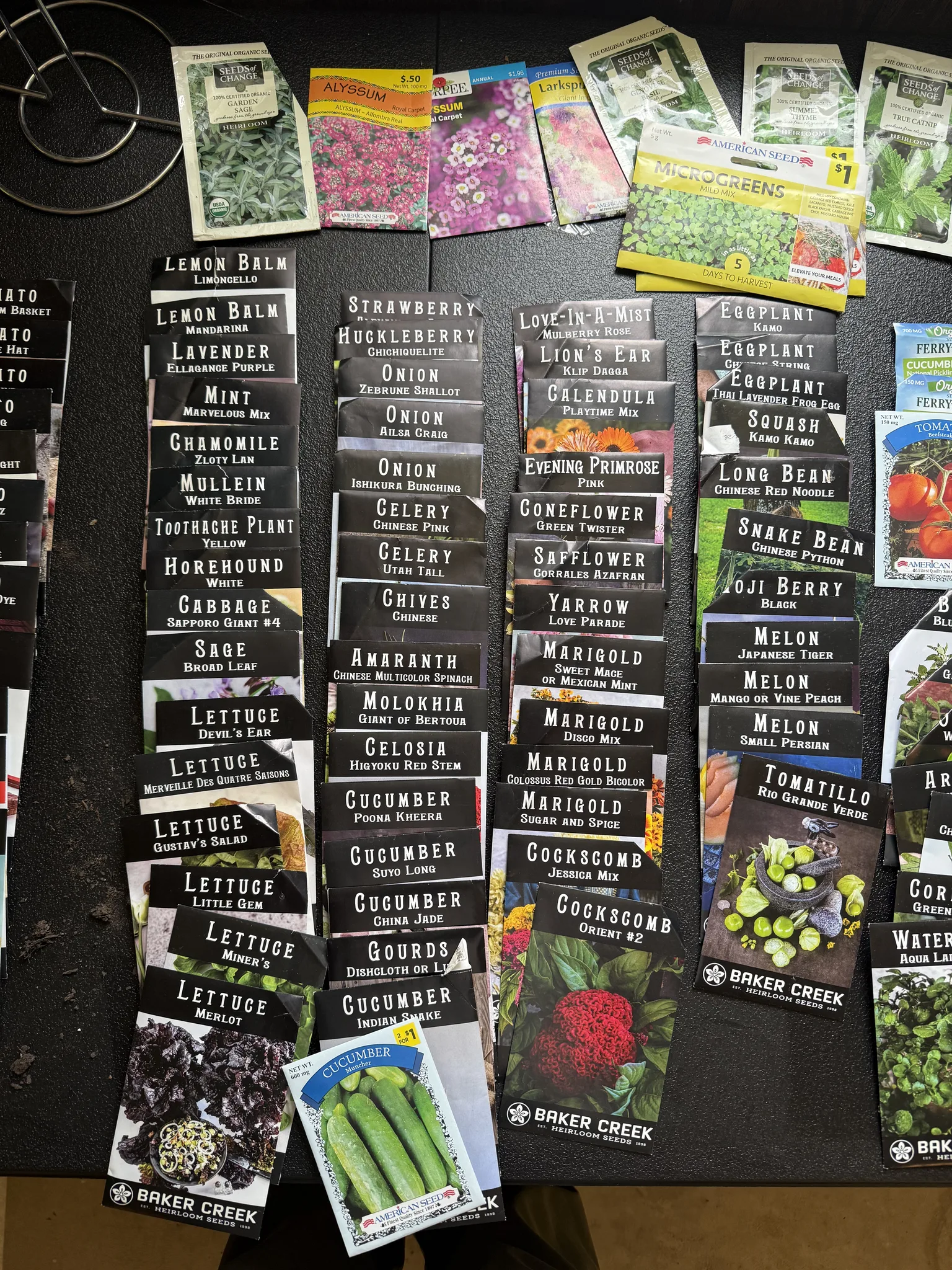
The year turns, and each quarter asks one thing of you. Spring is for preparing and planting — set the year in motion while the ground softens. Summer is for tending — water, weed, and keep going when it’s hot and long. Autumn is for harvesting and putting by — gather, share, and save the seed. Winter is for resting, mending tools, and dreaming the next garden.
That’s it. Each season has one job. Do that job while it’s in front of you, and the rest of the year gets easier. Seedtime and harvest, summer and winter — the rhythm holds whether you have twelve beds or a single pot on a porch.
Planting by the moon
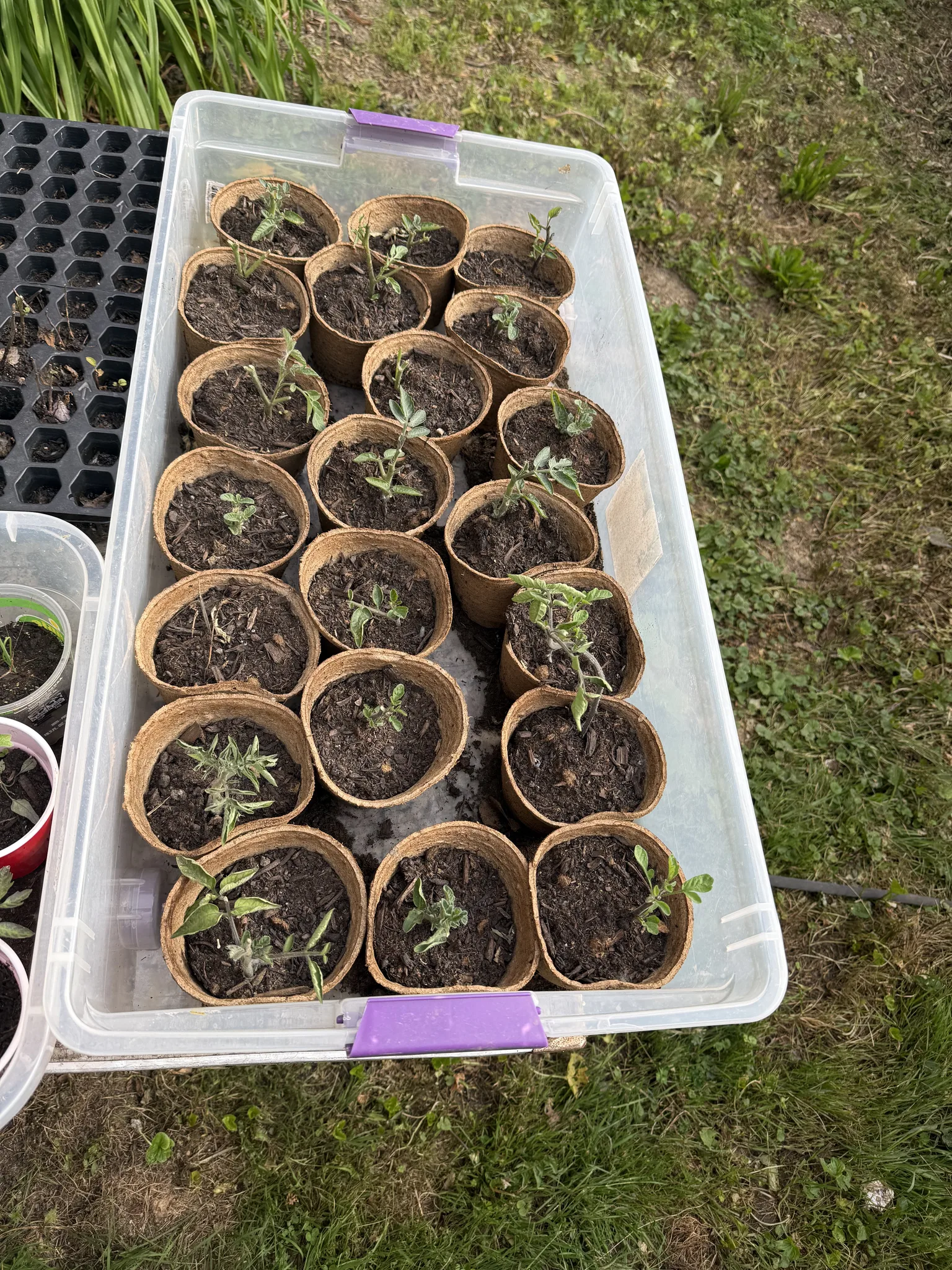
Here’s a simple rhythm you can use right away. When the moon is waxing — growing fuller — sow the things that grow above ground: leaves, fruit, flowers, the upward-reaching crops. When the moon is waning — emptying — sow root crops and turn the ground. The old gardeners swore by it, and plenty still do.
It isn’t magic. It’s a calendar that kept generations fed — a way to remember what to do and when, before anyone had a phone to remind them. You can follow it strictly or just let it keep you watching the sky. Either way, you’re paying attention, and that’s the whole point.
Twelve houses, twelve beds — the doorway
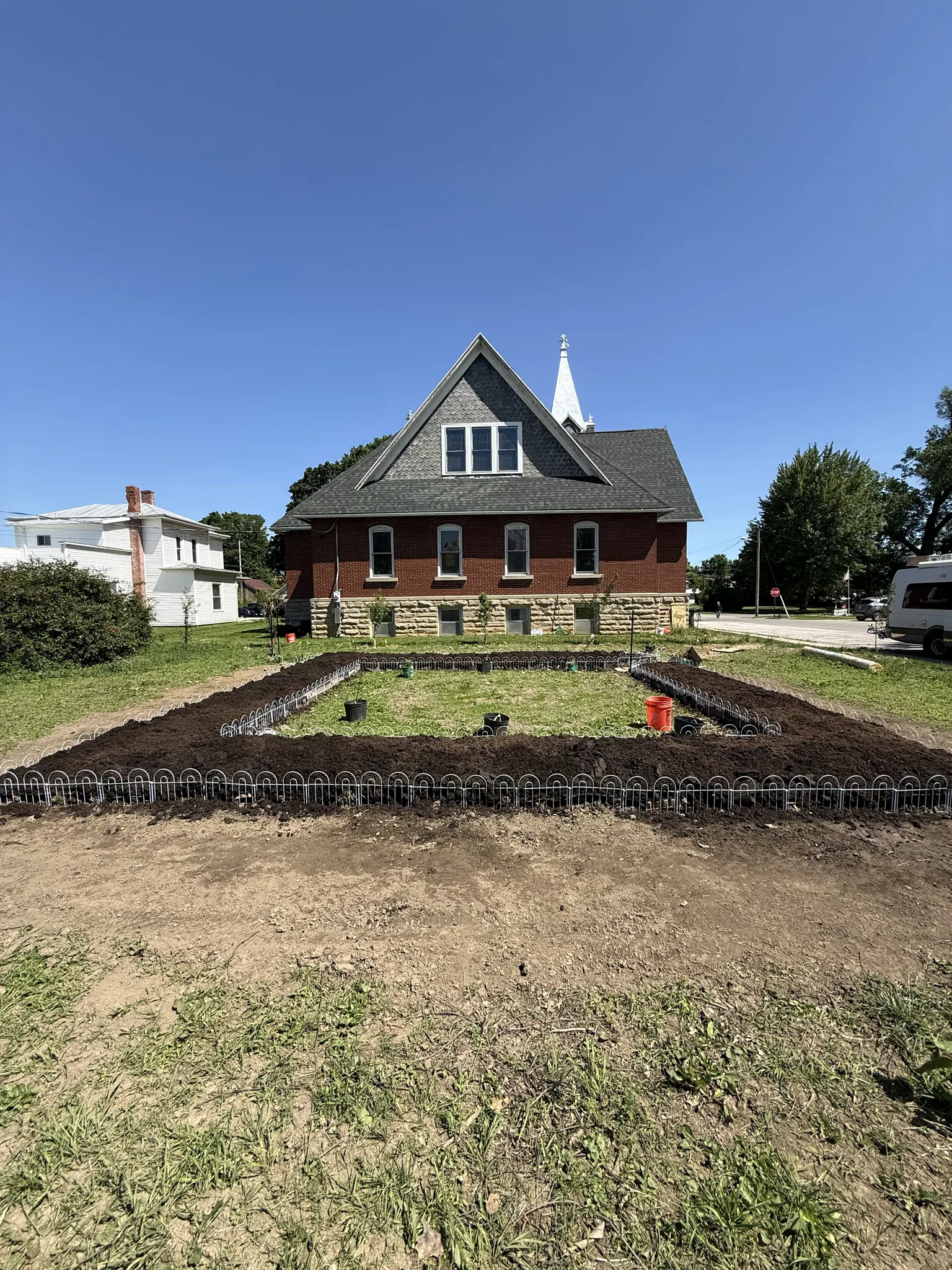
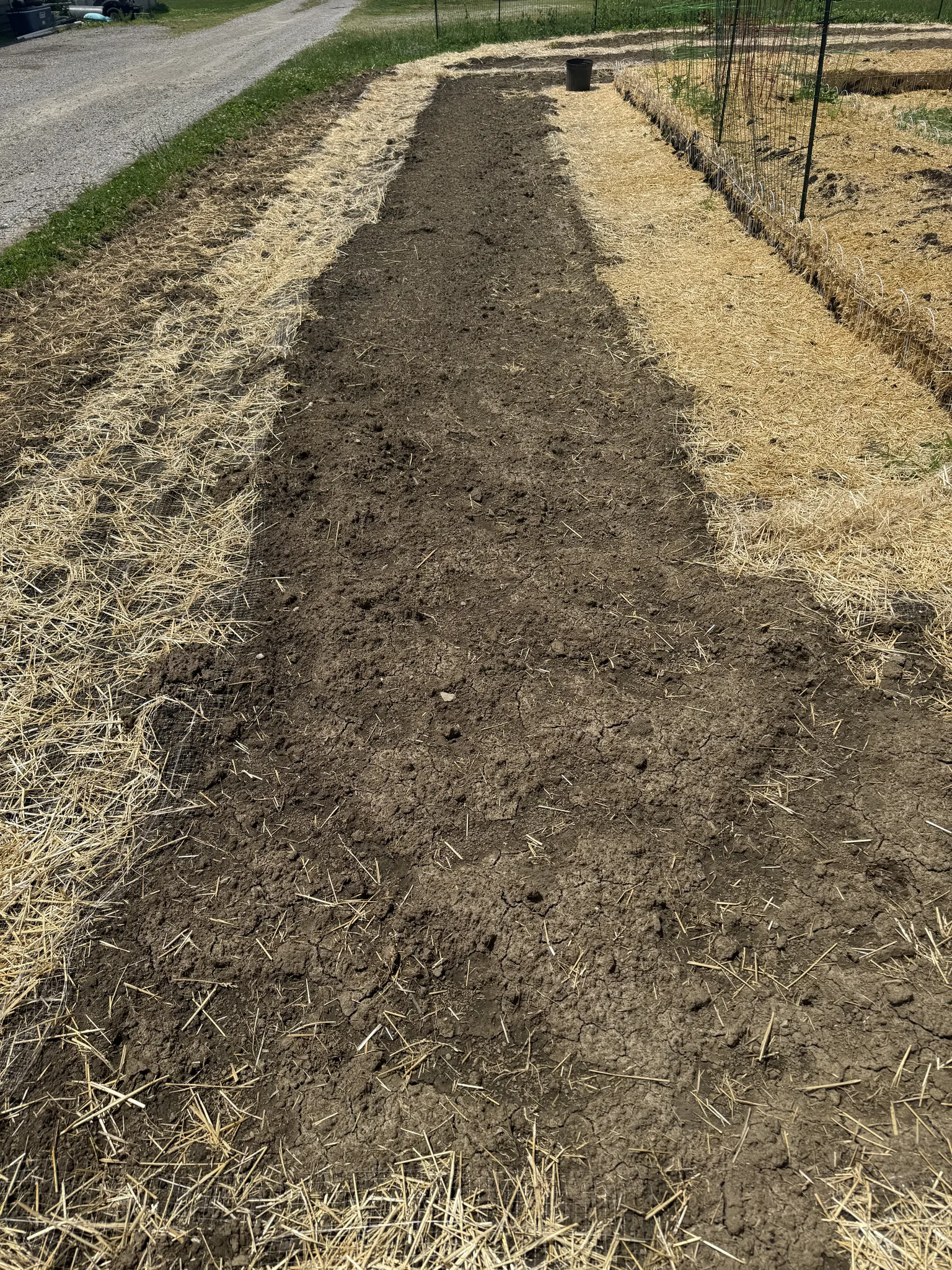
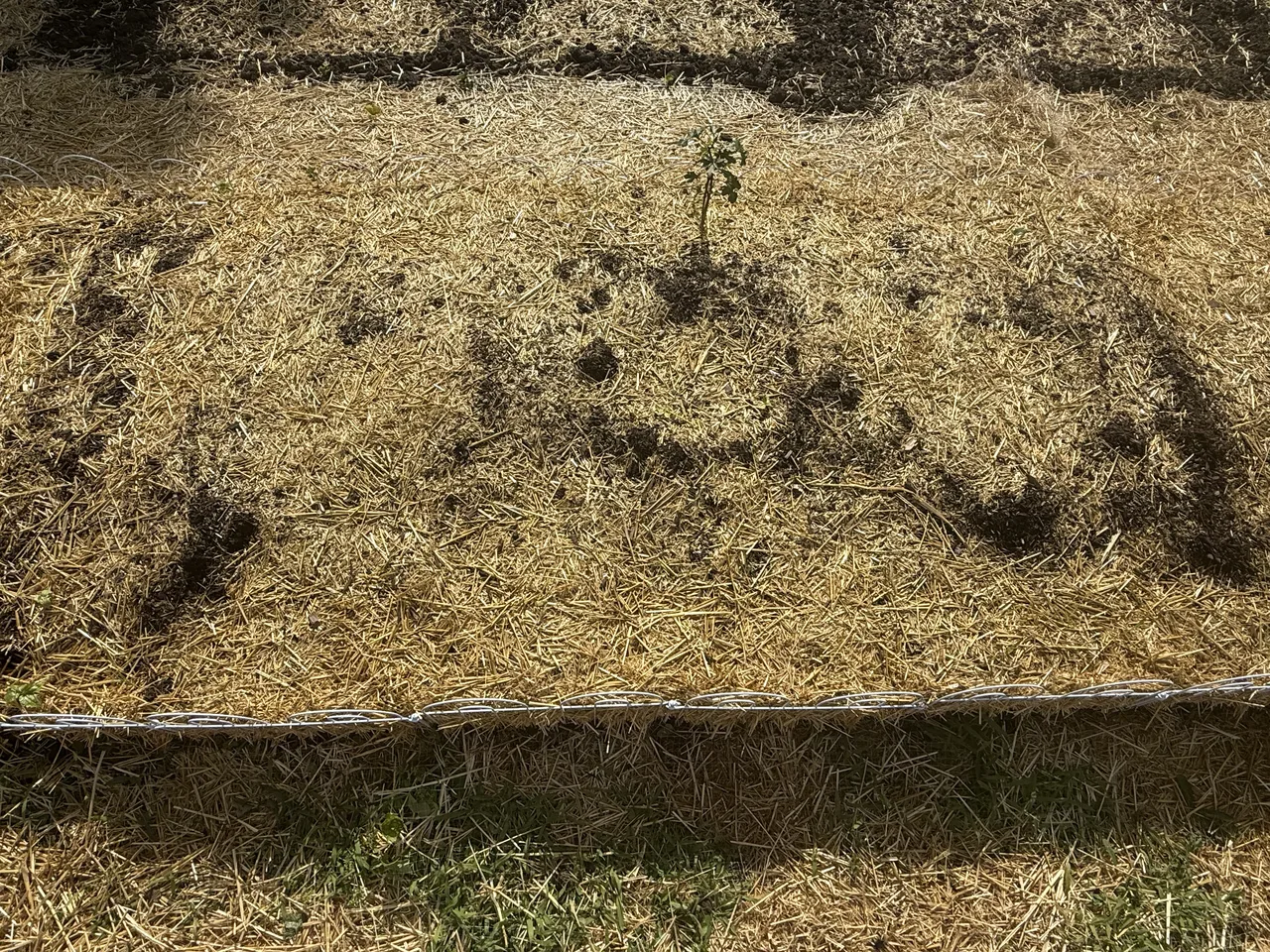
This is where the idea becomes something you can walk through. The old chart lays out twelve houses, each one a part of a whole life — body and resources, home and family, work and health, partnership and the rest. In our garden we laid out twelve square beds after that same chart, planted clockwise the way the sky moves.
You don’t have to believe anything to walk it. Just plant a bed, watch what wants to grow there, and notice what that corner of the chart asks for. The StarGarden is that idea, made of soil — and it’s the doorway this whole page has been walking you toward.
Questions people actually ask
Walk the StarGarden
Everything on this page grows out there in real soil. Come see the twelve beds, and the plants that fill them.
Enter the StarGardenGo deeper with Beehive Cosmology
Read our blog post on the cosmic farmer’s almanac for the soul — the fuller story of the sky as a calendar and the seasons as a loving order.
Learn more