
A recognition of Unity Gardens in South Bend, Indiana — their open, free-to-pick network of forty gardens — and an invitation to share best practices as community food quietly unfolds, neighbor to neighbor.
Unity Gardens: a quiet neighbor we're learning from
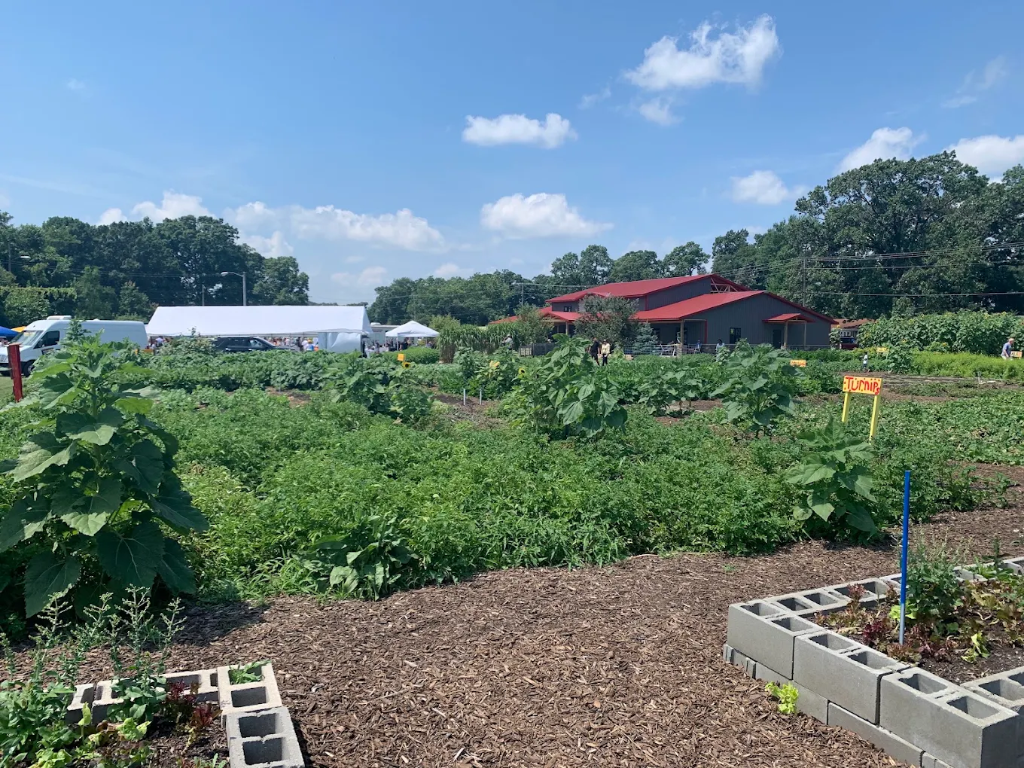
There's a network of open gardens over in South Bend, Indiana — more than forty of them, plus a seven-acre main site called LaSalle Square — run by a nonprofit called Unity Gardens. Their rule is beautifully simple: anyone can come and pick, for free, no work required. Volunteers and staff plant and tend the gardens; the community comes out to harvest. That's it. That's the whole arrangement.
We came across their work and felt an immediate kinship. This post is partly a thank-you — a recognition of what they've built over many years — and partly an open invitation. We'd love to share best practices, learn from what they've figured out, and quietly help the future of community food unfold the same way it began: neighbor to neighbor.
Who they are
Unity Gardens Inc. began as a small idea — that healthy food and a little patch of nature ought to be available to everybody, not just those who can pay — and grew into a constellation of open gardens across St. Joseph County. Their main site, LaSalle Square at 3701 Prast Boulevard, is seven acres and serves as the hub. Around it sit more than forty satellite gardens, each volunteer-run, scattered through neighborhoods, schools, churches, and community centers.
Their model is built on a few plain convictions:
- Free and open. Anyone can harvest. You don't have to work to pick. The garden is about access to healthy food and nature, and about bringing people together.
- Cared for by many. Volunteers and staff do the planting and tending so the picking stays simple for whoever shows up.
- Self-supporting in a small way. A fenced urban-farm patch at the main site grows food for market to help fund the open gardens, and a geodome is reserved for tasting tours and school field trips.
Around the gardens they've grown a quiet, generous set of programs: a Kids Summer Garden Club, Lunch-n-Learns, Yoga in the Garden, an accessible garden for community wellness, and resource pages on everything from gardening and orcharding to herbalism, preserving and cooking, animal husbandry, and green living. They hold a few gatherings a year — Haircuts and Hotcakes, a Westside BBQ and Craft Fair, a fall Spooktacular, and the Taste of Unity — that keep the network warm and visible.
How we're aligned
The more we read, the more Unity Gardens felt like a larger, longer-running version of what we're trying to do at Forest Sanctuary. The overlaps are striking:
- Food is for sharing, not selling. Their open-pick rule and our own practice of giving the harvest away to the neighbors who tend it come from the same root — nourishment is nourishing, and good is good.
- Gardens as gathering places. Both of us treat the garden as a place to bring people together, not just to grow calories. Their Yoga in the Garden and our evening quiet at seven are cousins.
- Skill-sharing as the real crop. Their resource pages and Lunch-n-Learns echo our domestic arts — the homemaking skills our great-grandparents took for granted, passed hand to hand.
- A church at the center. Several of their satellite gardens sit at churches — First Presbyterian, Clay Church, Prince of Peace. We're doing the same thing from an old chapel. There's something sturdy about a garden grown in the shadow of a steeple.
- Small, slow, and patient. They've added gardens year by year, let the network shift and settle, and trusted the slow work. That patience is exactly the cadence we want.
What we hope to learn
Unity Gardens has been at this far longer than we have, and at a scale we can only admire. There's a lot we'd love to learn from them:
- How to keep the picking simple — so access stays frictionless as a garden grows.
- How to run a volunteer-run satellite network — how to start a garden at a church or school, support a garden leader, and let it find its own feet without smothering it.
- How to fund the open gardens gently — through a small market patch, a CSA, plant starts, and events, without turning the garden into a business.
- How to teach without lecturing — through kids' clubs, tasting tours, and short lunch-n-learns that meet people where they are.
- How to build accessibility in from the start — their accessible garden is a model we want to learn from.
An invitation
This post is a recognition of Unity Gardens' years of steady, generous work — and it's also an invitation. If anyone at Unity Gardens ever reads this: thank you. Your example has shaped how we think about our own little garden in Forest, Ohio. We'd be honored to share what we're learning, to hear what you'd do differently, and to stay in touch as the seasons turn.
And to anyone else tending an open garden, a church patch, a school plot, or a borrowed backyard — you're part of the same quiet network. The future of community food isn't going to arrive with a trumpet. It's going to unfold the way it always has: one garden, one neighbor, one shared harvest at a time. We'd love to hear from you too.
You can find Unity Gardens at theunitygardens.org, and their open gardens directory here.
Come grow this with us
This recognition of Unity Gardens is the first of many. We're building an Interchange Network — a directory of small, like-minded projects across the country we hope to learn from, share resources with, and quietly help along. Browse the list, claim your card, and join the interchange at wholefam.org.